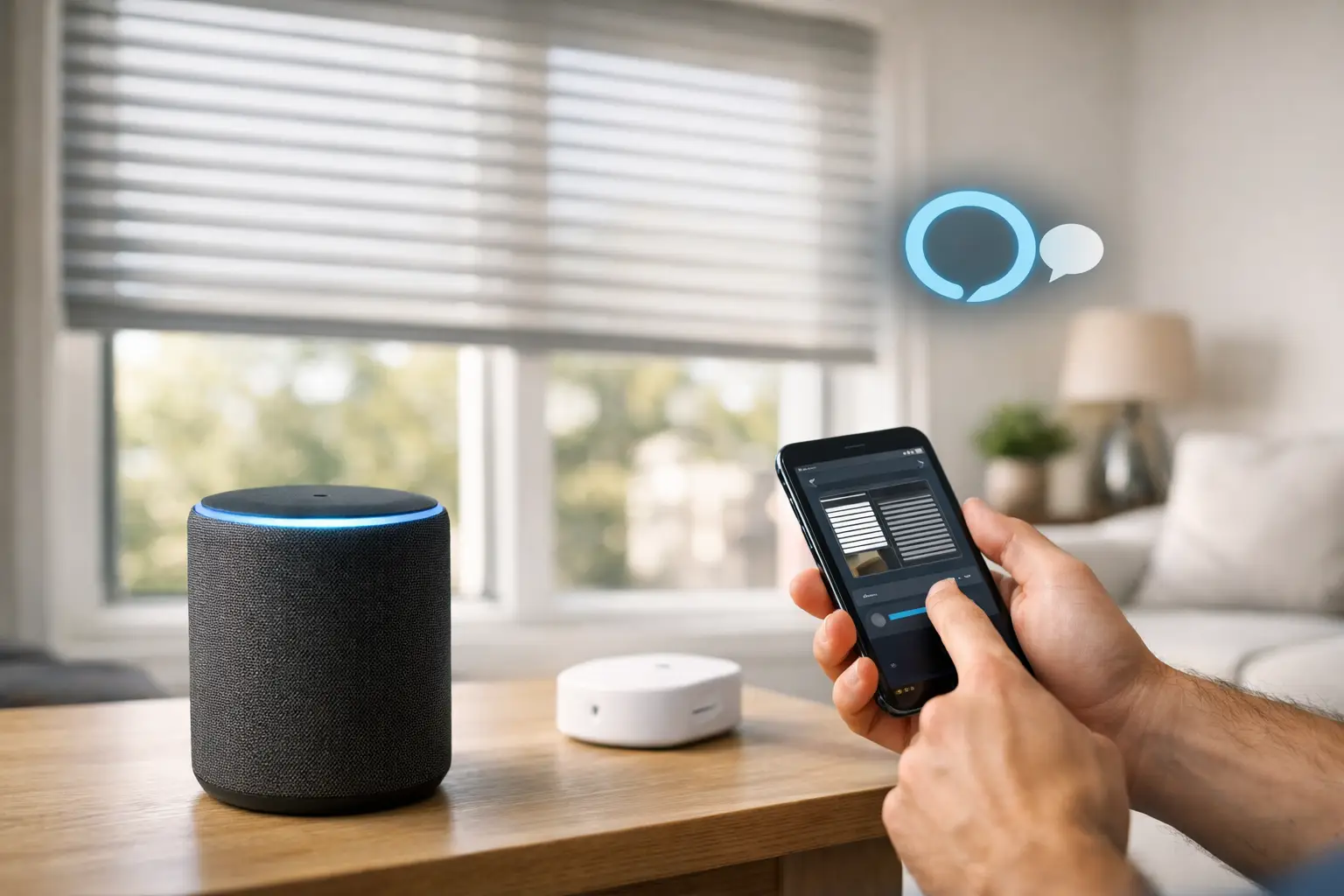
If you have ever crossed a room just to tilt blinds against afternoon glare, you already understand the appeal of smart blinds compatible with Alexa. The real benefit is not novelty. It is making your home feel more comfortable, more polished, and easier to live in – especially in rooms where sunlight, privacy, and temperature shift throughout the day.
For many homeowners, the question is not whether motorized window treatments are useful. It is whether they will work reliably, look refined, and actually fit the way the home is used. That is where the conversation gets more interesting than a simple yes or no on voice control.
What smart blinds compatible with Alexa actually do
At the basic level, Alexa-compatible blinds let you open, close, or adjust window coverings with a voice command or through an app. Depending on the product and the smart-home setup, you may also create routines such as lowering shades at sunset, opening them in the morning, or closing street-facing windows when you say goodnight.
That sounds simple, but the experience depends on the type of window treatment you choose. Roller shades, solar shades , Roman shades, honeycomb shades, and some wood or faux wood blinds can all be motorized. Each one changes the room in a different way.
A solar shade in a bright living room may help reduce glare while preserving your view. A blackout shade in a bedroom is more about sleep and privacy. A woven shade may be selected as much for softness and texture as for automation. Alexa adds convenience, but the foundation still needs to be the right product for the room.
Why homeowners choose them
The strongest case for smart window coverings usually starts with daily friction. Hard-to-reach windows, tall stairwells, west-facing rooms, and large banks of glass are common pain points. If a shade is awkward to operate, people stop adjusting it, and that often means more glare, more heat, and less privacy than they really want.
Motorization solves that in a practical way. One command can lower multiple shades at once. Scheduled adjustments can help protect flooring, art, and furnishings from UV exposure. In rooms that heat up quickly, timed shade movement can also support comfort during the brightest parts of the day.
There is also a design benefit. Cordless, motorized treatments tend to look cleaner than manually operated options. The window feels more intentional, and the room avoids the visual clutter that can come with chains, cords, or unevenly positioned shades.
Smart blinds compatible with Alexa are not all the same
This is where many homeowners get tripped up. Two products may both be described as Alexa-compatible, but that does not mean they perform the same way or offer the same level of reliability.
Some systems connect directly to Alexa. Others require a hub or bridge. Some are battery-powered , which can be a great fit for existing homes where wiring is not practical. Others are hardwired, which is often a strong option during new construction or major renovation. Battery-powered shades can be simpler to install, but they do require occasional charging or battery replacement. Hardwired systems reduce that maintenance, though they require more planning upfront.
There is also a difference between basic voice control and a more integrated smart-home experience. If you want a single shade to open by voice in the kitchen, that is one level of need. If you want whole-home scheduling, grouped rooms, app control, integration with lighting, and consistent performance across many windows, product selection matters much more.
Where Alexa-controlled blinds make the biggest impact
Not every window needs automation. In fact, a thoughtful plan often mixes motorized and manual treatments depending on the room, budget, and how the home functions.
Living rooms and family rooms are often a natural fit because they get frequent use and tend to have larger windows. Bedrooms can benefit from wake-up and bedtime routines, especially when blackout or room-darkening fabrics are involved. Home offices are another strong candidate, particularly when shifting glare affects screens throughout the day.
In Colorado homes, sun exposure can be especially intense. South- and west-facing windows often create the biggest comfort issues, so motorized solar or light-filtering shades can make a noticeable difference there. For tall entry windows or stairwell installations, motorization is often less of a luxury and more of a practical necessity.
The design side matters just as much as the technology
This is one of the biggest misconceptions about smart shades. People often assume the technology decision comes first and the design decision comes second. In reality, they should be considered together.
A beautiful motorized shade that does not control glare well is still a poor fit. A highly functional blackout product that feels too heavy for the room can also miss the mark. The best result balances appearance, privacy, light control, and operation.
That is why custom guidance matters. Fabric opacity, color, texture, valance style, and mount type all affect the final look. So does the motor itself, because different systems have different size limitations, power options, and control methods. A treatment that works well in a minimalist contemporary home may be completely wrong for a softer, layered interior.
Questions worth asking before you choose
Before selecting smart blinds compatible with Alexa, it helps to think beyond the app and ask a few practical questions. Do you want the shades to raise fully, lower fully, or stop at preset positions throughout the day? Are you trying to preserve a view, improve privacy, darken a room, or reduce heat gain? Do you need one room automated or the whole home coordinated?
You should also consider who will use the system. Some homeowners want simple voice commands and a clean handoff to guests or family members. Others want deeper automation with scenes and schedules. Neither approach is wrong, but they do point toward different products and setup choices.
If you are building or remodeling, ask whether hardwiring makes sense now. If you are updating an existing home, ask how battery access, charging, or recharging will work once furniture is back in place. These details tend to matter more over time than people expect.
Why custom installation usually leads to a better result
Window treatments are one of those categories where the difference between off-the-shelf and custom is easy to see and easy to feel. Measurement affects light gaps, privacy, and overall appearance. Product specification affects motor performance, fabric behavior, and long-term satisfaction.
With smart shades, installation also affects the technology experience. Pairing devices, setting limits, organizing groups, and programming routines all need to be done correctly for the system to feel simple later. What looks convenient in a product description can become frustrating if the shade width is wrong, the battery access is awkward, or the controls are inconsistent from room to room.
That is why many homeowners prefer a consultative process instead of piecing it together themselves. An owner-led design conversation can help narrow the field quickly, especially when balancing aesthetics with sun control, privacy, and smart-home goals. For homes in Southeast Denver and nearby communities, that local perspective can be especially helpful because window orientation, altitude, and intense sun exposure all shape what works best.
At Elevation Window Designs, that process starts with how the room needs to function, not with a generic product pitch. The right solution is often a combination of design judgment, technical planning, and real-world understanding of how the shades will be used every day.
What to expect from the investment
Smart window treatments usually cost more than manual options, and that is worth saying plainly. You are paying for custom sizing, upgraded hardware, motorization, and often a better overall finish. If multiple windows are involved, the budget can add up quickly.
But value is not only about the initial price. It is also about how often the shades get used, how much comfort they add, and whether they solve a problem that has been nagging at the home for years. In the right rooms, automation tends to increase actual use because adjusting the shades stops feeling like a chore.
If budget is a concern, it often makes sense to prioritize. Start with the windows that are hardest to reach, most exposed to sun, or used most often. You can always expand later if the system is planned well from the beginning.
The best smart blinds are not the ones with the longest feature list. They are the ones that quietly improve your mornings, soften harsh afternoon light, and make your home feel more comfortable without asking much from you. If Alexa compatibility is part of that picture, it should support the way you live – not complicate it.
A well-chosen motorized shade does not just respond to a voice command. It makes the room behave better, look better, and feel easier to enjoy every day.